
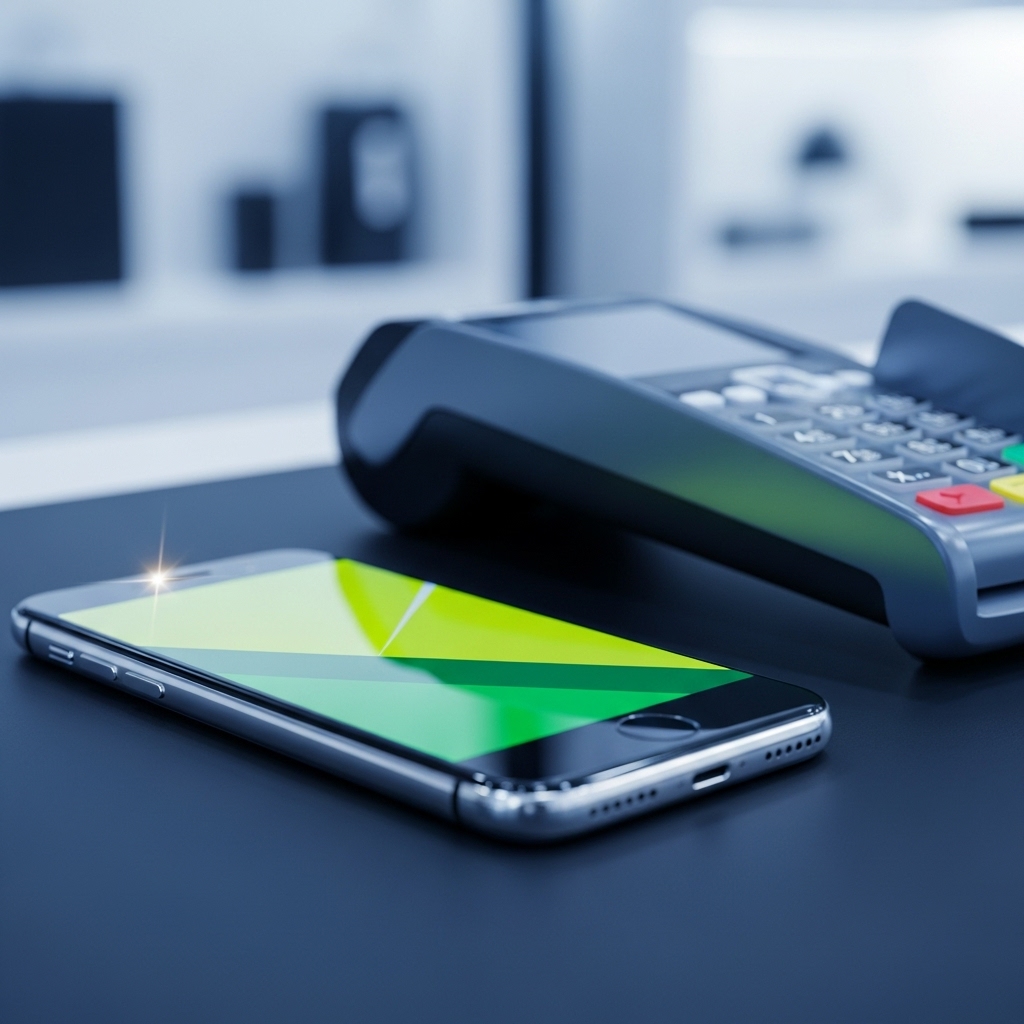
Introduction: Why Digital Wallets Become Central to Daily Finance in 2025
Digital wallets in 2025 have evolved far beyond simple payment tools. What began as a convenient way to store card details has transformed into a central financial interface that connects payments, identity, budgeting, and financial management. For many individuals, digital wallets are now the primary gateway to everyday finance.
Moreover, the shift toward digital-first financial behavior continues to accelerate. Consumers increasingly expect speed, simplicity, and integration across financial activities. Carrying physical cards or logging into multiple banking apps feels inefficient in comparison. As a result, digital wallets in 2025 meet this demand by consolidating financial actions into a single, intuitive environment.
At the same time, digital wallets influence behavior. How people pay affects how they spend, save, and manage money. Therefore, understanding the role of digital wallets in 2025 is not just about technology. It is about how financial habits are shaped, optimized, and secured in an increasingly digital economy.
Understanding Digital Wallets in 2025
What Digital Wallets Really Are Today
Digital wallets in 2025 are software-based platforms that store payment credentials, identity information, and financial data securely. They allow users to make payments, transfer funds, store tickets or credentials, and increasingly manage broader financial activities.
Importantly, digital wallets are no longer limited to transactions. Many now integrate budgeting insights, spending analytics, and account aggregation features. This evolution positions wallets as financial control centers rather than standalone payment tools.
How Digital Wallets Differ From Traditional Banking Apps
Traditional banking apps focus on specific institutions. Digital wallets operate across institutions and services.
Digital wallets in 2025 emphasize interoperability. They connect cards, bank accounts, loyalty programs, and services into a unified interface. This cross-platform approach reduces friction and improves user experience significantly.
Why Digital Wallet Adoption Accelerates in 2025
Consumer Demand for Speed and Convenience
Speed has become a baseline expectation. Consumers value frictionless experiences that save time and effort.
Digital wallets in 2025 reduce checkout steps, eliminate manual data entry, and enable instant transfers. This efficiency drives widespread adoption across demographics.
The Decline of Physical Payments
Cash usage continues to decline in many markets. Physical cards remain relevant, but digital alternatives are increasingly preferred.
Digital wallets in 2025 align with this shift by offering secure, contactless payment experiences that feel natural in everyday life.
Core Functions of Digital Wallets in 2025
Payments and Transactions
Payments remain the foundational function of digital wallets. Contactless payments, online checkout, and peer-to-peer transfers are standard.
In 2025, digital wallets optimize payments by combining speed, security, and user control. Transactions are faster, safer, and easier to track than traditional methods.
Identity and Authentication
Many digital wallets now store identity credentials securely. This capability simplifies authentication across services.
Digital wallets in 2025 increasingly act as digital identity hubs, reducing reliance on passwords and improving security.
Budgeting and Spending Insights
Wallets now analyze transaction data to provide spending insights.
Digital wallets in 2025 help users understand patterns, set limits, and adjust behavior proactively rather than reactively.
Benefits of Digital Wallets for Consumers
Improved Financial Visibility
Consolidation improves clarity. Seeing transactions across accounts in one place enhances awareness.
Digital wallets in 2025 reduce blind spots and support better financial decision-making.
Stronger Security and Fraud Protection
Security has improved significantly. Tokenization, biometric authentication, and real-time alerts protect users.
Digital wallets in 2025 often provide stronger security than physical cards, reducing fraud risk.
Greater Control Over Spending
Real-time notifications and spending categorization increase control.
When spending is visible immediately, impulse behavior decreases and discipline improves.
Digital Wallets and Everyday Money Management
How Payment Design Shapes Behavior
Payment friction influences spending habits. Easier payments may increase spending frequency but not necessarily total spending.
Digital wallets in 2025 counterbalance convenience with visibility, helping users remain aware of their behavior.
Supporting Better Budgeting Habits
Wallet-based budgeting tools use real transaction data.
This accuracy improves budgeting outcomes and reduces reliance on estimates or delayed reconciliation.
Digital Wallets and Financial Inclusion
Expanding Access to Financial Services
Digital wallets lower entry barriers. Individuals without traditional banking relationships can access financial functionality through wallets.
Digital wallets in 2025 play an important role in expanding access while maintaining security and usability.
Supporting Mobile-First Economies
In mobile-first regions, digital wallets often serve as primary financial infrastructure.
This flexibility supports participation in digital economies without requiring legacy systems.
Risks and Challenges of Digital Wallet Usage
Overreliance on Technology
Dependence on devices introduces risk during outages or technical failures.
Digital wallets in 2025 require contingency awareness, including backup access methods.
Privacy and Data Management Concerns
Wallets rely on sensitive data. Mismanagement undermines trust quickly.
Reputable digital wallets in 2025 emphasize transparency, consent, and user control over data.
Behavioral Overspending Risk
Convenience may encourage frequent spending.
Effective wallet design balances ease with visibility to support responsible behavior.
The Technology Behind Digital Wallets in 2025
Tokenization and Secure Storage
Tokenization replaces sensitive data with encrypted substitutes.
This technology underpins the security of digital wallets in 2025.
Biometric Authentication
Biometrics improve security while reducing friction.
Fingerprint and facial recognition enhance both safety and convenience.
Integration With Broader Financial Ecosystems
Digital wallets increasingly integrate with banking, investing, and budgeting tools.
This integration positions wallets as gateways rather than endpoints.
Digital Wallets and the Future of Payments
Embedded and Invisible Payments
Payments increasingly happen in the background.
Digital wallets in 2025 support invisible payments that reduce interruption while maintaining control.
Cross-Border and Multi-Currency Functionality
Global commerce demands flexible payment solutions.
Digital wallets increasingly support multi-currency transactions and international transfers.
Regulatory and Security Considerations
Consumer Protection Frameworks
Regulation continues to evolve alongside wallet adoption.
Digital wallets operate within clearer standards that protect users and build trust.
Managing Fraud and Cybersecurity Risks
Threats evolve continuously.
Successful digital wallets invest heavily in monitoring, prevention, and rapid response systems.
Opportunities Created by Digital Wallet Innovation
Smarter Financial Behavior Through Design
Well-designed wallets nudge users toward healthier habits.
Design choices influence saving, spending, and awareness positively.
Integration With Other FinTech Services
Wallets increasingly connect with embedded finance, open banking, and digital identity solutions.
This convergence accelerates innovation across the financial ecosystem.
Implementing Digital Wallets Effectively in Personal Finance
Step 1: Choose a Secure, Reputable Wallet
Security and transparency should be priorities.
Understand data usage and protection policies.
Step 2: Consolidate Payment Methods Strategically
Add only necessary cards and accounts.
Clarity improves control.
Step 3: Activate Spending Insights and Alerts
Use available tools to monitor behavior.
Real-time awareness supports discipline.
Step 4: Review Wallet Activity Regularly
Periodic review reinforces accountability.
Small adjustments prevent larger issues.
Step 5: Integrate Wallets Into Broader Financial Systems
Connect wallets to budgeting and planning tools where appropriate.
Integration amplifies value.
Long-Term Impact of Digital Wallets on Everyday Finance
Increased Financial Efficiency
Fewer steps, faster transactions, and better visibility improve efficiency.
Digital wallets streamline everyday finance significantly.
Behavioral Improvements Over Time
Visibility and feedback loops encourage better habits.
Over time, this behavioral impact strengthens financial outcomes.
Conclusion: Digital Wallets as the New Financial Interface
Digital wallets have become far more than convenient payment tools. They function as central financial interfaces that shape how individuals interact with money daily. By combining payments, security, visibility, and insights, wallets redefine everyday finance.
Moreover, digital wallets improve both access and control. When designed responsibly, they empower users to manage spending, protect data, and engage with financial systems more effectively.
Ultimately, digital wallets represent a shift toward integrated, user-centered finance. As technology continues to evolve, wallets will play an increasingly important role in how individuals manage, protect, and optimize their financial lives. Learn more about how to diversify your portfolio effectively and stay informed about emerging financial innovation.