
Introduction: The Relevance of FinTech Global Financial Inclusion
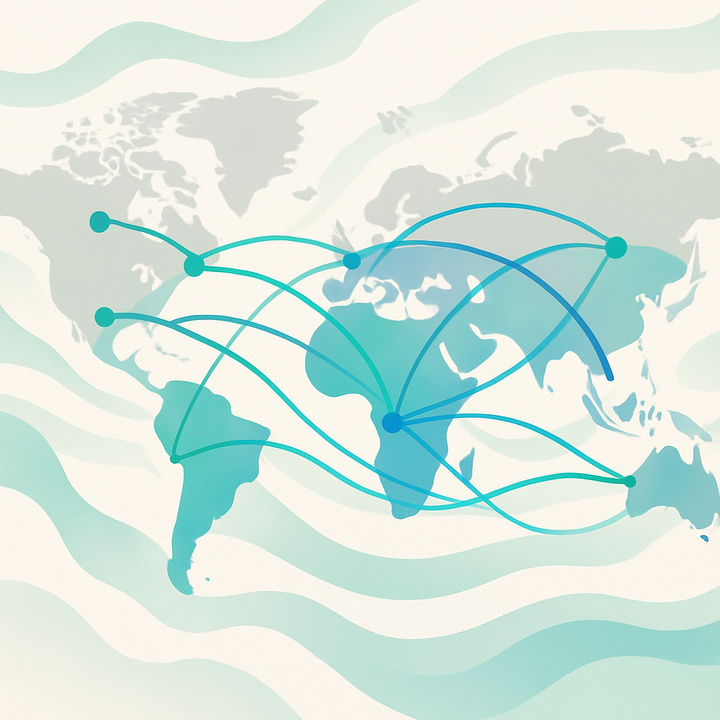
FinTech global financial inclusion drives a transformative shift in access to essential banking and financial tools for billions. This movement is rooted in the widespread realization that unequal access to banking, payments, and credit hinders not just individuals but entire communities and economies worldwide. Enabled by evolving digital infrastructures and expanding mobile connectivity, FinTech companies design products and platforms that overcome the cost, distance, and bureaucracy linked with traditional banks. The urgency for accessible financial services is felt acutely in areas where financial exclusion prolongs cycles of poverty and inhibits economic growth. Policymakers, multilaterals, and private innovators now recognize that robust participation in modern economies depends on breaking down these entrenched barriers. FinTech global financial inclusion sits at the intersection of innovation and social impact, offering scalable solutions to drive participation and prosperity.
Defining FinTechs and Financial Inclusion
FinTechs, or financial technology firms, harness digital advances to deliver a proactive range of financial services. These companies, from nimble startups to mature scale-ups, exploit technologies like mobile applications, online lending, and data-driven analytics to offer user-friendly alternatives to brick-and-mortar banking. Their products include digital wallets, peer-to-peer payments, microloans, robo-advisory for investments, and on-demand insurance. Financial inclusion reflects the principle that everyone—regardless of income, geography, or social status—should have affordable and convenient access to financial products. This encompasses savings accounts, credit, insurance, and the capability to transact securely. The World Bank estimates that in 2021, 1.4 billion adults still lacked an account at a financial institution. Many more, especially women and rural residents, face limited or expensive options. FinTech platforms break these barriers using alternative data, machine learning, and a focus on intuitive user experience.
Why FinTech-Driven Inclusion Matters for Investors
The financial sector views FinTech global financial inclusion as both a moral cause and a massive market opportunity. Integrating those excluded from the mainstream system unleashes major economic potential. Each new account or transaction enriches not just individuals but the underlying financial ecosystem, fueling spending, saving, and investment. As user bases expand, digital platforms see surges in transaction volume and recurring engagement, making them highly valuable, especially in emerging markets where fast user growth is possible. Investors—especially those aligned with ESG (Environmental, Social, Governance) goals—prioritize FinTech firms that create measurable impact through inclusion. These companies unlock new revenue streams, attract capital, and become acquisition targets. Thus, investing in FinTech not only drives social benefit but can also improve risk-adjusted returns by tapping into fast-growing, underpenetrated markets.
Strategies FinTechs Use to Advance Inclusion
FinTechs employ various strategies to make financial services more accessible. First, mobile wallets and payment platforms such as M-Pesa in Africa or UPI in India remove geographic obstacles by allowing users to transact, save, and borrow using simple mobile phones. Second, peer-to-peer and online lending platforms turn to alternative data—such as purchase history, phone usage, or even social media patterns—to assess creditworthiness beyond traditional scores. Third, the rise of API-driven technology lets innovators scale rapidly, integrating new features and distributing services across borders at low cost. FinTechs also collaborate with regulators, established banks, and NGOs to expand their reach while maintaining compliance and trust. Importantly, user-friendly mobile interfaces and targeted financial literacy content help bridge the education gap, ensuring new users confidently navigate digital finance.
Key Risks in Scaling FinTech-Driven Inclusion
While FinTech global financial inclusion creates unprecedented access, it introduces critical risks. Cybersecurity remains a top concern, as data-rich transactions provide targets for fraud, hacking, or digital theft. Many users new to finance are especially vulnerable to phishing and other scams. Issues surrounding consent and data privacy intensify as platforms integrate alternative sources of user information. Regulatory challenges include the risk of inconsistent standards across borders, creating opportunities for loopholes or systemic instabilities. Another concern is the potential creation of new digital divides; for example, solutions dependent on smartphones may exclude those with only basic devices. Consumer protection frameworks often lag behind innovation, leaving users exposed to unclear terms, predatory lending, or loss of funds. Thoughtful risk mitigation—through education, robust authentication, and transparency—remains essential as platforms scale.
Opportunities Arising from a More Inclusive Financial Landscape
The broad adoption of FinTech global financial inclusion unlocks significant opportunities for both economies and individuals. On the macro level, the onboarding of millions of unbanked people injects new deposits and capital into national and international financial systems. Small businesses and micro-entrepreneurs—often excluded by mainstream banks—gain affordable access to credit, fueling growth, job creation, and local economic vitality. Digital records enable personalized lending, insurance, and investment tailored to user needs, powered by machine learning and big data analytics. Governments benefit from greater visibility over transactions, improving tax collection and reducing informal shadow economies. The expansion of cross-border remittances and open banking frameworks increases competition, reduces transaction costs, and supports the economic mobility of migrant workers. Every step toward inclusion boosts resilience, innovation, and shared prosperity.
Current Trends and Leading Examples in FinTech Inclusion
Current trends highlight FinTech’s vast and diverse impact. India’s Unified Payments Interface (UPI) not only surpassed 8 billion transactions monthly by 2023, it also enabled micro-merchants and villagers to join the formal economy. In Brazil and Mexico, platforms like Nubank and MercadoPago are redefining digital banking for populations previously overlooked by legacy banks. Africa stands out with mobile-based micro-insurance, emergency loans, and community-driven savings products tailored to irregular incomes. Developed economies witness the rise of open banking: APIs let users port financial data and select combo-services across different providers with greater choice, transparency, and personalization. Meanwhile, blockchain startups reduce cross-border transfer fees and boost speed for remittances crucial to families and small businesses. AI-based chatbots, digital ID solutions, and embedded finance are reshaping user journeys, offering inclusive products that blend seamlessly into daily life. FinTechs worldwide continue to experiment with ways to educate, protect, and empower their users.
Enhancing Financial Literacy for Enduring Impact
Although FinTech global financial inclusion makes financial tools more available, sustainable progress depends on well-informed users. Many entering the financial system for the first time require clear guidance about products, costs, risks, and digital safety. Leading platforms now offer in-app education modules, transparent fee disclosures, and contextual support to strengthen financial decision-making. Building trust requires more than intuitive design: it needs active user engagement, ongoing feedback, and customized financial education that respects diverse backgrounds and literacy levels. FinTechs also partner with governments and nonprofits to deliver workshops, videos, and interactive tools in local languages, expanding their social footprint beyond product lines. The convergence of inclusion and education ensures users benefit fully and avoid the pitfalls of over-indebtedness or digital fraud.
The Evolving Role of Regulation in Inclusion
As FinTech global financial inclusion accelerates, regulators adapt policies to safeguard both innovation and users. Some countries pilot regulatory sandboxes, letting firms test novel models under supervision before wide rollout. Global standard-setting bodies promote interoperable reporting, anti-money laundering (AML), and data protection. New regulations demand rigorous know-your-customer (KYC) checks, robust consumer protection, and clear recourse for complaints. While some argue that heavy regulation risks stifling creativity, most stakeholders agree that balanced oversight builds trust, mitigates systemic risk, and protects the most vulnerable. Industry forums and public-private partnerships offer practical venues for dialogue, helping identify emerging risks early and adapt rules responsively. The challenge for FinTechs is to innovate within frameworks that prioritize safety, privacy, and genuine access.
Collaborative Pathways: Partnerships Fuel Broader Inclusion
Industry collaboration often underpins the most scalable FinTech global financial inclusion models. Traditional banks bring deep regulatory experience, established networks, and capital resources. Startups offer agility and an appetite for experimentation. NGOs and government agencies provide local context, distribution channels, and programmatic funding. These multi-stakeholder partnerships enable blended models: for example, digital credit programs layered onto government benefit dispersal, or insurance tied to agriculture cooperatives. By aligning incentives and sharing expertise, these alliances foster trust, reach further, and sustain innovation. Importantly, successful collaborations focus equally on expanding access and strengthening safeguards—ensuring every new product genuinely meets the financial needs of end users.
Future Outlook: What Lies Ahead for FinTech and Global Financial Inclusion?
The trajectory of FinTech global financial inclusion remains dynamic. Advancements in machine learning, biometrics, and open-data standards will continue to reduce costs and personalize experiences. The next phase may see even deeper integration between finance, healthcare, education, and gig-economy platforms. New markets will emerge—not only within developing regions but also among overlooked populations in mature economies. The sustainability of these gains will hinge on proactive consumer protection, adaptive regulation, and ongoing investment in user education. Investors and innovators will need to balance aggressive growth with ethical responsibility, ensuring that the drive for scale does not outpace safeguards. Those who prioritize equity, transparency, and accessibility can unlock meaningful impact and sustainable commercial returns in an increasingly digital world.
Conclusion: Ongoing Exploration of the FinTech Global Financial Inclusion Landscape
The emergence of FinTech global financial inclusion is reshaping how millions access, use, and benefit from financial services. Yet merely providing access is not enough—it takes education, robust safeguards, and a commitment to adapting as risks and opportunities evolve. Both users and investors must approach this evolving sector with curiosity and vigilance. For practical guidance, deeper analysis, and evolving insights, explore our dedicated section on FinTech and Financial Innovation.